Shipping in USA






Not sure which pitching machine is right? Answer 4 quick questions and we will match you to the right machine for your player, team, or facility. Take the 60-Second Finder
Baseball Pitching Machines: How to Choose
Every pitching machine buying decision starts with one question: what ball does it throw? Get that right and the rest — speed, wheels, budget — falls into place. Get it wrong and you own a machine your player outgrows in a season, or one that is too much machine for your backyard.
Real baseballs. Regulation balls, real seams, real flight. The right choice once a player is facing live pitching in games. Machines like the Heater Jr (variable speed, 15 to 48 MPH) and the Deuce two-wheel machines throw real balls and nothing else feels the same at the plate.
Lite balls. Lighter, softer machine balls — safer for young hitters and forgiving on bats and fences. The PowerAlley Lite 360 throws lite balls and still changes speeds and breaks pitches, which makes it a smart first machine for players under 10.
Mini and small-ball trainers. The Heater Crusher throws mini balls; the MaxBP line is built for high-rep reaction training. Small balls force a hitter to track and square up a smaller target — the cheapest way to stack hundreds of quality swings in a garage or basement.
The Machines We Sell, by Job
| Machine | Price | Throws | Best for |
|---|---|---|---|
| Heater Crusher | $119.99 | Mini balls | Youngest players and first machines. Fastballs and curveballs at backyard-safe speeds. |
| PowerAlley Lite 360 | $129.99 | Lite balls | Players under 10. Swivel head throws fastballs, sliders, and curves with safer lite balls. |
| Heater Base Hit | $199.99 | Real baseballs | The entry point to real-ball batting practice at home. |
| Heater Jr | $269.99 | Real baseballs, 15–48 MPH | Youth players ready for real balls, with an automatic feeder for solo practice. |
| Heater Double Play | $349.99 | Real baseballs to 48 MPH | Two machines in one: a pitching machine and a full-size pitch back for fielding. Our best seller. |
| MaxBP Original / Pro | $590 / $850 | Small-ball reaction training | Hitters who need reps and vision training in tight spaces — more swings in less time. |
| Blaze Combo | $699.99 | Baseballs and softballs | Two-sport households — one machine for baseball and softball players. |
| Deuce 75 / Deuce 95 | $799.99 / $999.99 | Real baseballs, breaking balls | Travel and high school hitters who have to learn to hit curveballs, not just fastballs. |
| JUGS PS50 | $995.00 | Regulation baseballs, 11" and 12" softballs | Baseball and softball programs that need one dependable machine. |
| Junior Hack Attack | $2,699.00 | Real baseballs (softball conversion kits available) | Serious programs. The three-wheel design is the standard for realistic pitch mixes. |
| Hack Attack | $3,599.00 | Real baseballs | High school, college, and facility use — the full-size three-wheel machine the Junior is modeled on. |
| Spinball Wizard 3-Wheel | $3,300.00 | Baseballs and softballs | Facilities and advanced programs — the line trusted by pro and college teams. |
Wheels, Speed, and Feeders — What Actually Matters
One wheel machines throw straight pitches at adjustable speeds. Simple, affordable, and all a young hitter needs. Two wheels add breaking balls — the wheels and pivot head change spin, so hitters see curves and sliders (that is the Deuce design). Three wheels are the program standard: any pitch, located anywhere, with the fastest recovery between pitches — the Hack Attack and Wizard class.
Speed is about reaction time, not a number. A 45 MPH pitch from backyard distance gives a young hitter roughly the reaction window of a much faster pitch from a real mound. Buy for the hitter's level today and the next two seasons, not for the biggest number on the box.
An auto feeder changes everything for solo practice. Without one, somebody has to feed the machine. With one, a player trains alone — which, in our experience selling these for years, is the difference between a machine that gets used daily and one that gathers dust.
Power. Most home machines run on standard AC power. No outlet where you practice? A portable power station (we sell the Hot Box line) runs them anywhere — or look at battery-capable models for the field.
Pitching Machine Questions We Get Asked
What is the best first pitching machine for a 7 to 10 year old?
A lite-ball or mini-ball machine — the PowerAlley Lite 360 or the Crusher. Safer balls, real pitch movement, and a price that makes sense for a player still growing into the game.
When should we move up to real baseballs?
When the player is facing real pitching in games and needs true ball flight — usually around 10 to 12. The Heater Jr and Double Play are the step-up machines we sell most.
Can one machine throw both baseball and softball?
Yes — the Blaze Combo throws both, the JUGS PS50 throws regulation baseballs and 11" or 12" softballs, and the Junior Hack Attack converts with a kit. Most other machines are one sport only, so check before you buy.
Do I need special balls?
Machine balls matter more than most buyers expect — seams, weight, and material all change accuracy and machine wear. See our pitching machine balls guide and collection before you stock up.
What about a cage?
A machine plus a batting cage is the full backyard setup, and our bundle packages pair them for less than buying separately. Fielding on the list too? Start with the Double Play and cover both.
Let customers speak for us

Anonymous
Stability, security, an investment for making plays!!
We thought our son’s new glove in a bigger would solve his fielding troubles. Unfortunately, it was flopping back on line drives and pop flies… causing delays on the play. He tripped on the run, glove flew off his hand, and it clicked and made sense! I told my husband to order this. It’s been a total game changer as his glove is tighter giving him more stability in making the play!! We’ve bragged on it so much to plenty of other youth baseball parents!
Eagle Back Hand Wrist Back

Chuck Hamlin
Easy set up great Customer Service
Very easy to set up and operate. Only took minutes to find the strikes zone. I will say that the Heater Pitching machine balls work much better for accuracy. You can use regular baseballs, but it will scuff and tear them up after a few sessions. I have a cage in the backyard and it is very easy to take the machine down and store it between use.
This machine has really good velocity. We set it up at 40 feet and the highest setting of 10 is too much!!! It’s cranking at 90mph from 40 feet. It also works great for catching drills. Lastly, it fits have an auto ball feeder that holds 15 ball’s. We prefer to manually feed it when possible. The ball feeder is quick…. About 5 seconds between pitches.
Well worth the money for this machine play with the wheel speed and you can throw breaking ball’s, knuckleballs ……,,,,,,,,
The Baseball Home is why I bought this machine. Their customer service is World Class!!! I’ve member exited more than hours for a response and they always solve the problem. When you buy products, sometimes they are parts missing and they have addresses and fixed every issue! I bought a batting cage net from them too. As sometimes happens, the net has two rips….i had a replacement delivered to my house within a week!!! If I need to buy something for baseball, The Baseball Home is the only place I will order and purchase from.
Deuce 75 mph 2-Wheel Curveball Machine with Auto Ball Feeder

Bill Coley
Make an 8 year old smile!
All is good!
BaseHit & Xtender 24'

G. Escobedo
So far its worth the money!
We just put it together and the kids love it. They are eager to get some extra reps in together and love that they can do it alone as well.
Double Play Pitch Back & Baseball Pitching Machine

Ted Kaufman
Professional caliber
I’ve seldom strayed from Rawlings “Heart of the Hide” gloves. They’ve been the gold standard. But this glove caught my eye. I ordered on an emotional impulse. Stupid, right? No! This glove is superb! Every detail, every knot, its shape and design, the leather quality is Heart of the Hide. This glove would suit a major league infielder.
Basket Weave Pocket (11 3/4 in.) - Professional Series

Seth Labak
Great staff! You can tell they care about the customer!
Staff helped quickly and efficiently resolve a very minor shipping error. Made it easy!
1949 Fielders Glove - Golden Era | Shoeless Joe Ballgloves
Mark
Outstanding
This pitching machine has been a total game changer for fielding practice! We primarily use it for ground balls and line drives, and the consistency is amazing. It delivers perfectly placed balls every time, which makes it ideal for working on infield footwork, reaction time, and glove work. It’s also great for running repetitive drills without wearing out a coach’s arm. Setup is simple, it’s built solid, and it handles hours of use like a champ. If you’re looking to sharpen fielding skills—especially ground ball retrieval—this machine is a must-have. Totally worth every penny!
Double Play Pitch Back & Baseball Pitching Machine

jonsiege
Hack Attack Jr
My son is a 14y/o 8th grader. I coach middle school baseball and help with a travel ball team. This machine is exactly what we needed. It is portable enough to move around and allows us to work on both offensive and defensive drills in practice. 100% recommend for anyone looking for a pitching machine.
Junior Hack Attack Baseball Pitching Machine
Russell Robert
SATISFIED CUSTOMER
FROM START TO FINISH EVERYTHING WENT SEAMLESSLY. THIS IS A GREAT, KNOWLEDGABLE GROUP OF PEOPLE TO DEAL WITH. I WILL USE THEM FOR ALL OF MY BASEBALL NEEDS!!!
Junior Hack Attack Baseball Pitching Machine
Thor Oliver in
Amazing gloves!
I just found out about this company like 2 weeks ago, and I’m mad I’m just seeing it! I ordered a glove, received it in 3 days, it was the wrong glove, but could not care less, quality is a 10, I notified them, and they sent me a new glove, just 2 days later! Best customer service ever!
Thor Oliver
Basket Weave Pocket (11 3/4 in.) - Professional Series
Thor
Amazing glove! Great price! Literally the fastest shipping ever, and customer service is second to none!
Basket Weave Pocket (11 3/4 in.) - Professional Series

Phyllis Gallegos
Perfect glove
This trainer is perfect for a young player first real glove. Bought for my young granddaughter moving up to player pitch. It’s beautiful and she loves it.
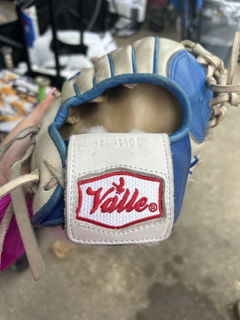
Eagle 975S with Strap Back Infield Trainer | Valle Sporting Goods

TJ Treadwell
Tennessee Trapper (12 1/2 in.) - Professional Series | Shoeless Joe Ballgloves
The glove shipped and was delivered on time. The glove was as advertised. It is still brand new, so I cannot comment on quality yet. I plan to break it in soon. If you want to know input on quality, ask again after a season of use.
Tennessee Trapper (12 1/2 in.) - Professional Series

Joyce Spratlin
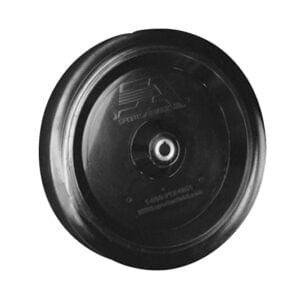
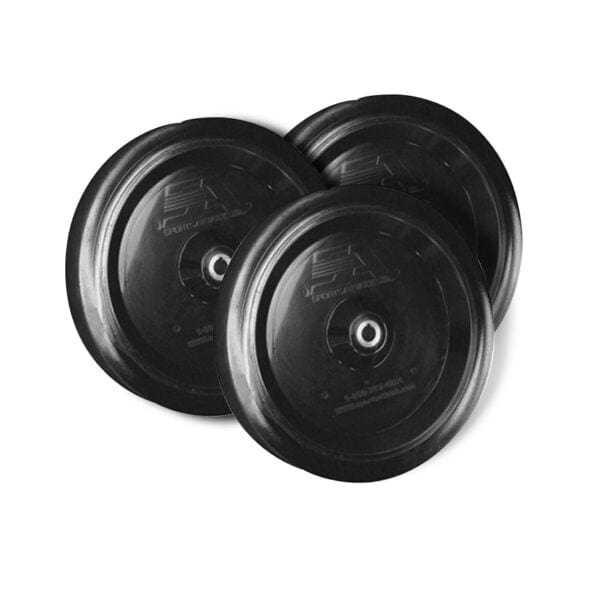
Got the hack attack wheels haven’t installed yet but parts look good thankd
Junior Hack Attack Baseball /Softball Throwing Wheels (Set of 3)

Juan Mellado
2024 Avenge Pro 3
My son love his new bat, the axe handle makes him feel more comfortable holding the bat and making the swing. He says that doesn’t feel any vibration at all.
(OLD) 2024 Avenge Pro 3 USSSA Baseball Bat Standard Handle | Axe Bats